
Call Us
How to Maintain Your Building Facade in NYC Year-Round
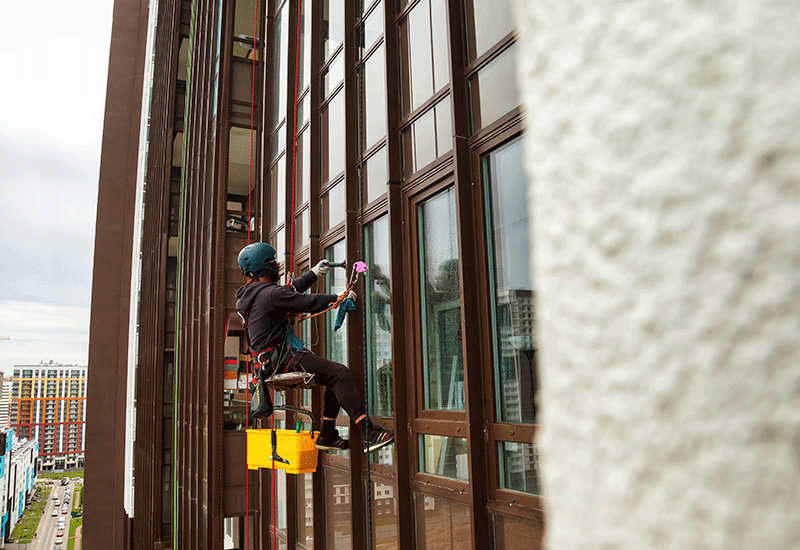
A building’s facade in New York City is more than just its exterior appearance. It plays a critical role in structural safety, weather protection, and overall property value. With constant exposure to harsh seasonal changes, including freezing winters, humid summers, and heavy rainfall, facades in NYC require consistent attention throughout the year.
When maintenance is delayed, small issues like hairline cracks or minor moisture intrusion can quickly turn into costly structural problems. That is why year-round facade maintenance is not optional in NYC. It is a practical approach to keeping your building safe, compliant, and built to last.
At a Glance
- Facade maintenance in NYC should be planned across all four seasons
- Freeze-thaw cycles are one of the leading causes of masonry damage
- Early crack detection helps reduce long-term repair costs
- Water intrusion is a primary factor behind facade deterioration
- Preventive maintenance keeps annual repair expenses under control
Why Year-Round Facade Maintenance Matters in NYC
New York City’s climate creates constant stress on building facades. During winter, moisture seeps into small cracks and freezes as temperatures drop. This process causes expansion within the material, weakening bricks and mortar joints over time. As the cycle repeats, even minor cracks can grow into serious structural concerns.
In warmer months, humidity and pollution begin to affect the surface. Dirt buildup, moisture retention, and environmental exposure gradually break down protective layers, leaving the facade more vulnerable to damage. Without regular inspections, these surface-level issues often go unnoticed until they require major repairs.
A year-round maintenance strategy helps identify problems early before they escalate. It reduces long-term repair costs, improves safety, and ensures your building remains aligned with NYC regulations. Consistent upkeep also extends the lifespan of facade materials and prevents unexpected structural risks.
Seasonal Facade Maintenance Checklist
Maintaining a facade in NYC requires a seasonal approach because each part of the year brings different risks. A structured maintenance routine helps prevent long-term damage and keeps the building in stable condition.
Spring Maintenance Tasks
Spring is the ideal time to assess damage caused by winter conditions.
- Inspect for cracks in brickwork and mortar joints
- Check for water intrusion or staining
- Repair minor damage before it worsens
- Clean debris buildup from facade surfaces
Summer Maintenance Tasks
Warmer weather allows for more extensive repair and restoration work.
- Perform facade cleaning or pressure washing
- Carry out repointing or masonry repairs
- Apply protective sealants or coatings
- Inspect for surface wear caused by sun exposure
Fall Maintenance Tasks
Fall is about preparing your building for the upcoming winter season.
- Seal any open joints or cracks
- Check drainage systems and water flow paths
- Inspect flashing and edges for vulnerabilities
- Reinforce areas exposed to wind and moisture
Winter Maintenance Tips
Winter maintenance focuses on monitoring rather than major repairs.
- Watch for ice buildup along facade surfaces
- Address urgent issues only when necessary
- Avoid large-scale repairs due to freezing conditions
- Ensure safety measures are in place for loose materials
Common Facade Issues You Should Never Ignore
Even small facade issues can lead to serious structural damage if left untreated. Identifying these problems early can save both time and repair costs.
- Cracks in Masonry
Small cracks may seem harmless, but they allow water to enter and expand during freezing conditions. - Loose Bricks or Stones
Movement in masonry units can indicate underlying structural instability and pose safety risks. - Water Stains and Damp Patches
Visible moisture marks are often a sign of deeper water penetration behind the facade. - Bulging or Uneven Surfaces
A bulging facade can signal internal pressure or structural failure that requires immediate attention. - Peeling Paint or Coating Failure
Surface coatings breaking down expose materials to environmental damage and accelerate deterioration.
Preventive Maintenance vs Reactive Repairs
Facade care generally falls into two categories: preventive maintenance and reactive repairs. The difference between these two approaches has a direct impact on cost, safety, and the long-term condition of your building.
Preventive maintenance focuses on routine inspections and addressing minor issues before they escalate. This includes sealing small cracks, repairing joints, and managing moisture intrusion early. The goal is to stop damage at an early stage and maintain the facade’s integrity over time.
Reactive repairs, on the other hand, are performed after significant damage has already occurred. These projects often involve structural work, large-scale masonry repairs, or even partial facade replacement. As a result, they tend to be more expensive and disruptive.
|
Factor |
Preventive Maintenance |
Reactive Repairs |
|
Cost Impact |
Lower, predictable expenses |
High, unexpected repair costs |
|
Risk Level |
Minimal structural risk |
Higher risk of serious damage |
|
Repair Scope |
Minor fixes and routine upkeep |
Major structural interventions |
|
Long-Term Benefit |
Extends facade lifespan |
Addresses damage after it occurs |
|
Planning |
Scheduled and controlled |
Often urgent or emergency-based |
For most NYC property owners, a preventive approach is the smarter strategy. It helps control long-term expenses and reduces the chances of sudden facade failures.
Estimated Annual Facade Maintenance Costs in NYC
The cost of maintaining a building facade in NYC varies depending on several factors, including building size, material type, accessibility, and the current condition of the structure. However, having a general annual budget range can help property owners plan ahead.
Smaller residential properties typically have lower maintenance costs, while larger residential and commercial buildings require higher budgets due to scale, labor, and equipment needs.
Typical Annual Cost Breakdown
|
Service Type |
Estimated Cost Range (NYC) |
|
Basic Inspection |
$500 – $2,500 per year |
|
Facade Cleaning |
$1,000 – $5,000+ |
|
Minor Crack Repairs |
$1,500 – $7,000 |
|
Partial Repointing |
$8,000 – $25,000+ |
|
Waterproofing Treatments |
$5,000 – $20,000+ |
These are general estimates and can vary based on project conditions. If maintenance is delayed, costs can increase significantly, especially when structural repairs become necessary.
Planning regular maintenance each year is a more cost-effective approach. It keeps expenses manageable and helps protect the building from major damage over time.
When to Hire a Professional Facade Contractor in NYC
Not every facade issue can or should be handled at a basic level. In NYC, many facade-related problems require professional expertise due to safety risks, building height, and strict regulations.
If you notice visible cracks, loose masonry, water penetration, or uneven facade sections, it is a clear sign that professional evaluation is needed. These issues often indicate deeper structural concerns that cannot be resolved with surface-level fixes.
Hiring a qualified contractor is also important when your building falls under inspection requirements. Professionals understand NYC codes, safety standards, and proper repair methods, ensuring the work is done correctly and safely. In most cases, early involvement of a contractor prevents small issues from turning into large, expensive repairs.
NYC Compliance and Safety Considerations
Facade maintenance in New York City is not just about upkeep. It is also closely tied to safety laws and compliance requirements that building owners must follow.
One of the most important regulations is Local Law 11, which requires periodic facade inspections for buildings over a certain height. These inspections are conducted to identify unsafe conditions and ensure that exterior walls remain secure.
Failure to comply with these regulations can lead to penalties, violations, and safety risks for occupants and pedestrians. Regular maintenance helps ensure your building stays compliant while reducing the likelihood of emergency repairs.
A consistent maintenance plan combined with timely inspections keeps your property aligned with NYC safety standards and protects both the structure and the people around it.
Pro Tips to Extend the Life of Your Building Facade
A long-lasting facade does not depend on major repairs. It depends on consistent, well-planned maintenance throughout the year.
Follow a Consistent Inspection Routine
Regular inspections help identify early-stage damage before it spreads. Even minor cracks or surface changes should be addressed quickly to avoid deeper structural issues.
Control Moisture at All Times
Water is one of the biggest causes of facade deterioration.
- Keep drainage systems clear
- Fix leaks immediately
- Seal joints and openings properly
Use the Right Materials for Repairs
Using incompatible materials can weaken the facade over time. Always ensure that mortar, sealants, and coatings match the original structure to maintain durability.
Schedule Preventive Maintenance Instead of Waiting
Waiting for visible damage increases repair costs. A planned maintenance schedule keeps your facade stable and reduces the risk of unexpected failures.
Work with Experienced NYC Contractors
Professionals understand local building conditions, materials, and safety standards. Their involvement ensures repairs are done correctly and last longer.
Final Thoughts
Maintaining a building facade in NYC is not a one-time task. It requires a structured, year-round approach that adapts to seasonal conditions and building needs.
Key Takeaways
- Small facade issues should never be ignored
- Regular inspections help avoid major repairs
- Moisture control is critical for long-term durability
- Preventive maintenance is more cost-effective than reactive repairs
What This Means for Property Owners
A well-maintained facade improves safety, reduces long-term costs, and keeps your building compliant with NYC regulations. Instead of reacting to damage, a proactive approach allows you to stay in control of both maintenance and budget.
FAQs
How often should a building facade be inspected in NYC?
In NYC, most buildings should be visually inspected at least once a year to catch early signs of damage. However, under Local Law 11, buildings over six stories are required to undergo a detailed professional inspection every five years. Regular checks in between help prevent costly repairs.
What is the average cost of facade maintenance in NYC?
Annual facade maintenance costs can vary widely depending on the building size and condition. Basic inspections may cost a few hundred dollars, while minor repairs and cleaning can range into the thousands. Larger buildings or delayed maintenance can significantly increase overall costs.
Can small cracks in a facade lead to serious damage?
Yes, even small cracks can become a major issue over time. They allow water to enter the structure, and during cold weather, that moisture can freeze and expand. This process weakens the material and can lead to larger structural problems if not addressed early.
Is facade maintenance required by law in NYC?
Yes, facade maintenance is closely tied to safety regulations in NYC. Property owners are responsible for keeping exterior walls in safe condition. Laws like Local Law 11 require periodic inspections and necessary repairs to prevent hazards.
What are the most common signs that a facade needs maintenance?
Some of the most common signs include visible cracks, loose bricks, water stains, bulging sections, and peeling coatings. These indicators often point to underlying issues that should be inspected and repaired as soon as possible.
When is the best time of year to schedule facade repairs in NYC?
Spring and summer are generally the best times for facade repairs because weather conditions are more stable. These seasons allow contractors to perform repairs, cleaning, and sealing work more efficiently and safely.