
Call Us
What Factors Affect the Cost of Facade Repair in NYC?
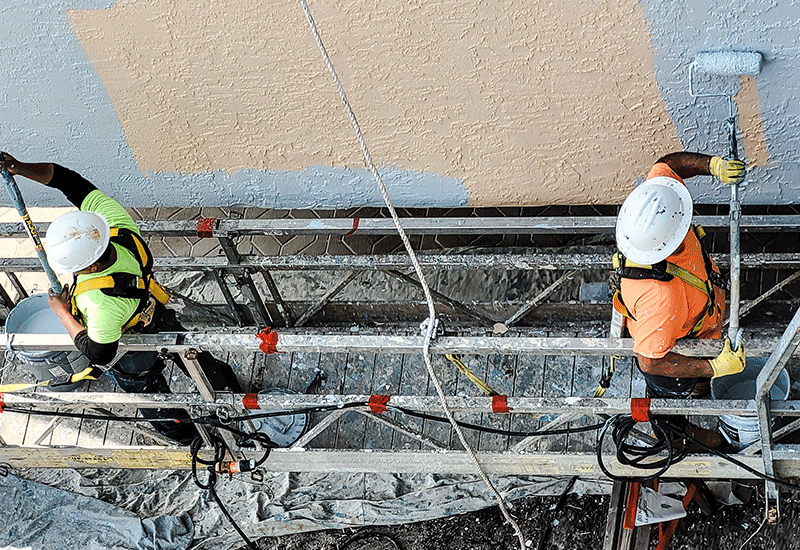
Facade repair in New York City is rarely a one-size-fits-all job. From historic brownstones in Brooklyn to high-rise buildings in Manhattan, every structure comes with its own set of challenges. That is why the cost of facade repair can vary significantly from one property to another.
In a city like NYC, factors such as building height, material type, weather exposure, and strict local regulations all play a major role in determining how much a repair project will cost. What might seem like a simple surface issue can quickly turn into a more complex and expensive repair if underlying structural damage is involved.
This guide breaks down the key factors that influence facade repair costs in NYC, helping property owners understand where their budget goes and how to plan more effectively.
At a Glance
- Facade repair costs in NYC vary based on damage type and building conditions
- Small cosmetic repairs cost significantly less than structural restoration
- Building height and accessibility can increase project expenses
- Material selection directly impacts pricing and labor requirements
- NYC regulations and inspections can add to overall costs
- Early detection and maintenance can help reduce long-term expenses
Why Facade Repair Costs Vary So Much in NYC
Facade repair costs in NYC can differ widely because every building has a unique structure, age, and level of deterioration. Unlike standard repairs, facade work often involves multiple layers such as masonry, insulation, and structural components, which makes pricing less predictable.
Different Building Types Require Different Approaches
Older buildings, especially brownstones and pre-war structures, usually need more detailed restoration work. These projects often involve material matching and preservation techniques, which increase both time and cost.
Urban Conditions Add Complexity
Working in NYC is not the same as working in suburban areas. Limited space, heavy foot traffic, and nearby buildings make access more difficult. This often requires scaffolding, sidewalk sheds, or suspended platforms, all of which add to the total project cost.
Compliance and Safety Regulations
NYC has strict building codes and safety requirements. Facade repairs may require permits, inspections, and compliance with Local Law 11. These regulatory steps are essential but also increase overall expenses.
Key Factors That Influence Facade Repair Costs
Facade repair costs in NYC are influenced by a combination of structural conditions, building characteristics, and regulatory requirements. Understanding these key factors helps property owners estimate budgets more accurately and avoid unexpected expenses.
1. Type of Damage
Minor surface cracks are usually less expensive to fix, while structural damage, water intrusion, or deteriorating masonry can significantly increase costs due to deeper repairs.
2. Size and Scope of the Project
Repairing a small section of a facade is far more affordable than restoring an entire building exterior. Larger projects require more materials, labor, and time.
3. Building Height and Accessibility
Low-rise buildings are easier and cheaper to work on. High-rise structures require specialized equipment like scaffolding or swing stages, which increases labor and safety costs.
4. Type of Materials Used
Facade materials such as brick, stone, stucco, or concrete all have different repair methods and costs. Matching existing materials, especially in older buildings, can also add to the expense.
5. Labor and Skilled Workforce
NYC labor costs are higher compared to many other areas. Skilled contractors, especially those experienced in facade restoration, charge more due to their expertise.
6. Local Laws and Compliance Requirements
Projects often involve permits, inspections, and adherence to safety regulations. Compliance with Local Law 11 inspections can add additional costs.
7. Structural vs Cosmetic Repairs
Cosmetic fixes such as minor patching are less expensive. Structural repairs, including reinforcing walls or replacing damaged sections, require more time and resources.
8. Urgency of the Project
Emergency repairs typically cost more due to immediate labor needs and expedited processes.
9. Weather and Seasonal Factors
Cold winters and unpredictable weather in NYC can delay projects, increasing labor time and overall costs.
Estimated Cost Breakdown for Facade Repair in NYC
Understanding general pricing ranges can help set realistic expectations. Actual costs will vary depending on the factors mentioned above.
Typical Cost Range by Project Type
| Repair Type | Estimated Cost Range |
| Minor Crack Repair | $500 – $2,500 |
| Brick Repointing | $15 – $40 per sq ft |
| Stucco Repair | $20 – $50 per sq ft |
| Full Facade Restoration | $50,000 – $250,000+ |
| Structural Repairs | $100,000 – $500,000+ |
What Affects These Price Ranges
These ranges depend heavily on building size, access difficulty, and the extent of damage. High-rise buildings or properties requiring extensive compliance work will typically fall on the higher end of the spectrum.
Cost Comparison Based on Building Type
Facade repair costs in NYC vary significantly depending on the type and height of the building. Access difficulty, safety requirements, and repair complexity all change based on building structure.
| Building Type | Cost Impact | Reason |
| Low-Rise (1–3 Floors) | Lower | Easy access, minimal equipment required |
| Mid-Rise (4–10 Floors) | Moderate | Scaffolding and safety setup needed |
| High-Rise (10+ Floors) | High | Requires suspended platforms, permits, and complex logistics |
| Historic Buildings | Very High | Specialized restoration and material matching required |
Why Building Type Matters
Buildings with greater height or historical value require more planning, skilled labor, and compliance work, which directly increases overall project costs.
Hidden Costs Most Property Owners Miss
Many facade repair projects in NYC exceed initial estimates because of overlooked or unexpected expenses. These hidden costs can significantly impact the final budget if not planned in advance.
Common Hidden Costs to Consider
- Inspection and Engineering Reports
Professional assessments are often required before starting work, especially for compliance. - Permit and Filing Fees
NYC permits and approvals add to the overall cost and cannot be avoided. - Unexpected Structural Damage
Issues behind the surface, such as water damage or weakened masonry, increase repair scope. - Scaffolding and Sidewalk Shed Costs
Safety structures are mandatory in many cases and can be expensive over time. - Material Matching Delays
Finding matching materials for older buildings can increase both cost and project duration.
How These Costs Impact Your Budget
Hidden costs often appear during the repair process, which is why initial estimates can change. Planning for these factors early helps avoid budget overruns and project delays.
How to Control and Optimize Facade Repair Costs
Facade repair in NYC can become expensive if not planned properly, but there are practical ways to control costs without compromising quality. A strategic approach can help property owners avoid unnecessary expenses and long-term damage.
Practical Ways to Reduce Costs
- Schedule Regular Inspections
Early detection of damage prevents small issues from turning into costly structural repairs. - Fix Problems Early
Addressing minor cracks or leaks quickly is far more affordable than full restoration later. - Hire Experienced Contractors
Skilled professionals complete work efficiently and reduce the risk of rework or compliance issues. - Plan Repairs in Phases
Breaking large projects into phases helps manage budget and prioritize urgent areas first. - Choose the Right Materials
Selecting durable and compatible materials reduces future maintenance costs.
Why Cost Planning Matters
A well-planned repair strategy not only reduces immediate expenses but also protects the building from future damage, saving money over time.
When Should You Plan for Facade Repair?
Timing plays a critical role in controlling facade repair costs in NYC. Waiting too long can turn a manageable repair into a large-scale and expensive project.
Signs It’s Time to Act
- Visible cracks or gaps in the facade
- Water stains or moisture penetration
- Loose or falling materials
- Discoloration or surface deterioration
Preventive vs Reactive Repairs
Preventive maintenance is always more cost-effective than emergency repairs. Regular upkeep allows property owners to address issues gradually instead of dealing with sudden, high-cost repairs.
Final Thoughts
Facade repair costs in NYC are influenced by multiple factors, including building type, damage severity, access challenges, and compliance requirements. There is no fixed price because every project involves a different level of complexity.
The most effective way to manage costs is through early inspection, proper planning, and working with experienced professionals. Investing in timely repairs not only controls expenses but also protects the long-term value and safety of the property.
FAQs
How much does facade repair cost per square foot in NYC?
Facade repair typically ranges from $15 to $50 per square foot, depending on the type of work and materials involved.
Is facade repair mandatory in NYC?
Yes, under NYC Local Law 11, buildings over a certain height must undergo regular facade inspections and repairs if needed.
What is the most expensive part of facade repair?
Structural repairs and high-rise access setups are usually the most expensive due to labor, equipment, and safety requirements.
Can delaying facade repair increase costs?
Yes, delaying repairs often leads to more severe damage, which increases both repair scope and overall cost.
How long does a facade repair project take in NYC?
Project timelines vary from a few days for minor repairs to several months for full facade restoration, depending on building size and complexity.